
The evolution of gambling a historical perspective on chance and fortune
The Origins of Gambling
Gambling, one of humanity’s oldest pastimes, can be traced back to ancient civilizations where games of chance emerged as a form of entertainment and social interaction. Historical records indicate that the earliest forms of gambling date back to approximately 3000 BC in China, where rudimentary games using dice were played. These games often involved betting on outcomes, reflecting the human fascination with risk and fortune. Such activities laid the foundation for more complex gambling practices that evolved in later cultures.
As gambling spread across various regions, it adapted to the cultural contexts of each society. For instance, ancient Romans and Greeks incorporated gambling into their recreational activities, with dice games and betting on athletic competitions becoming increasingly popular. These practices not only served as entertainment but also highlighted the social dynamics of the time, illustrating how fortunes could shift dramatically based on chance. The integration of gambling into daily life mirrored the human condition, where uncertainty and risk-taking became central themes.
The significance of gambling in these early societies also reflected economic conditions. In ancient Mesopotamia, for instance, the use of clay tablets to record bets and results showcased a formalization of gambling practices, emphasizing the importance of regulation and structure. This trend laid the groundwork for the more sophisticated gambling systems that emerged later, further embedding chance and fortune into societal frameworks. Overall, the origins of gambling provide a fascinating glimpse into human behavior and the societal values surrounding risk and reward.
The Rise of Organized Gambling
As societies progressed, so did the complexity of gambling activities. The emergence of organized gambling in the Middle Ages marked a significant shift, particularly in Europe, where gaming houses and betting shops became commonplace. These establishments not only catered to the growing appetite for gambling but also introduced various forms of betting, such as card games and lotteries. The rise of organized gambling created a structured environment where players could engage in games of skill and chance, reshaping the gambling landscape.
This era also saw the introduction of gambling regulations, as governments recognized the potential for economic gain through taxation. Lotteries, for example, became popular fundraising tools for public projects, while also providing citizens with opportunities to win substantial prizes. The establishment of rules and regulations created an environment where gambling could flourish while attempting to mitigate its potentially harmful effects. This balance of regulation and recreation highlighted the evolving relationship between society and gambling.
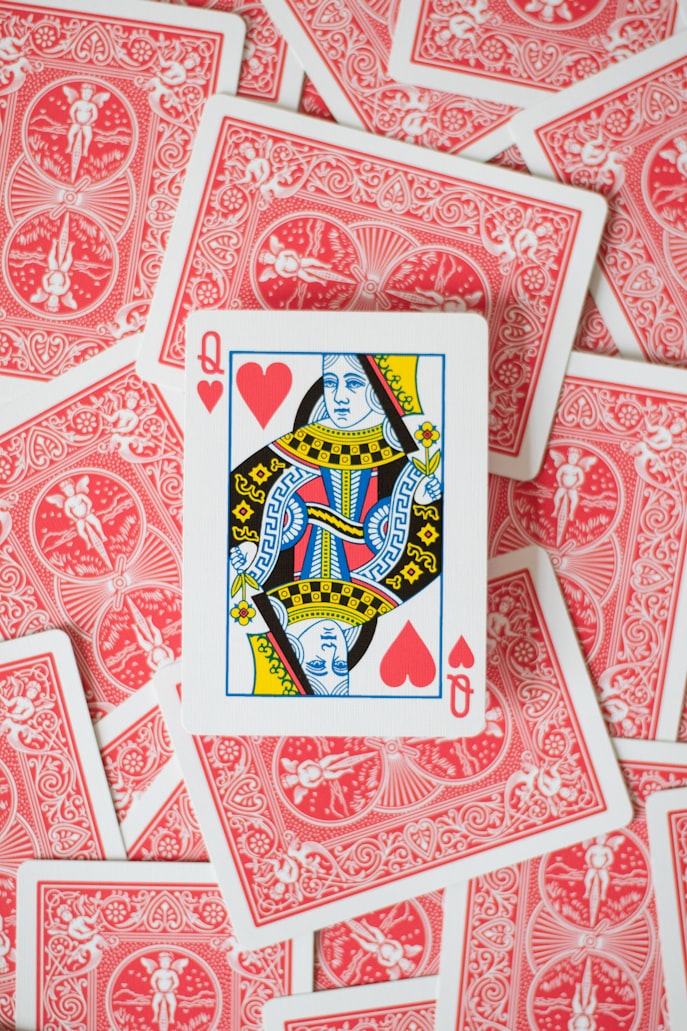
Moreover, the invention of playing cards in the late 14th century played a crucial role in diversifying gambling options. These cards brought new games to the forefront, such as poker and blackjack, which required both skill and chance. This duality deepened the complexity of gambling, as players began to understand that while luck played a significant role, strategic thinking and experience could greatly influence outcomes. The rise of organized gambling thus not only enhanced entertainment but also encouraged social interaction and competition.
The Influence of Technology on Gambling
The Industrial Revolution marked a turning point in the evolution of gambling, as technological advancements transformed how games were played and accessed. The invention of mechanical slot machines in the late 19th century revolutionized the gaming industry, offering players a new and exciting way to engage with chance. These machines simplified the gambling experience, allowing individuals to place bets with minimal skill involved, reinforcing the allure of luck.
As technology continued to evolve, so did gambling practices. The introduction of online casinos in the late 20th century opened the doors to a digital realm where players could access a vast array of games from the comfort of their homes. Online platforms not only expanded the variety of gambling options available but also transformed the social dynamics of gaming. Players could now interact with others around the globe, fostering a sense of community while engaging in chance-based activities.
The impact of technology on gambling extends beyond accessibility. With the rise of mobile gaming and applications, players can now enjoy their favorite games anytime and anywhere. This convenience has led to an increase in participation rates and a broader demographic of players. However, it has also raised concerns regarding responsible gambling and the potential for addiction. Thus, while technology has greatly enriched the gambling experience, it has also introduced new challenges that require careful consideration.
The Balance of Skill and Luck in Gambling
Throughout history, the debate surrounding the roles of luck and skill in gambling has persisted. Many traditional games, such as poker and blackjack, are widely regarded as games of skill, where strategic decision-making can significantly influence outcomes. Players who invest time in learning game strategies often enjoy a competitive edge, highlighting the importance of skill in what is often perceived as a game of chance.
On the other hand, games such as slots and roulette are predominantly based on luck, as players have little to no control over the outcomes. The randomness of these games taps into the human desire for chance and the thrill of winning, making them highly popular. This dichotomy creates a unique landscape where players can choose between games that appeal to their preferences for skill or luck, thereby enhancing their overall gambling experience.
Interestingly, the evolving perception of gambling in society reflects these differing views. While skill-based games are often seen as more respectable, particularly in professional contexts, luck-based games continue to be embraced for their entertainment value. This balance influences how gambling is marketed and regulated, showcasing the complexities of human behavior and the ever-changing dynamics of risk-taking.
Crazytower Casino: A Modern Perspective on Gambling
In the realm of online gambling, stands out as a premier destination for players seeking a comprehensive gaming experience. With a vast selection of over 10,350 certified games, it caters to both novice and seasoned gamblers, ensuring that there is something for everyone. The platform combines cutting-edge technology with user-friendly navigation, allowing players to enjoy their favorite games seamlessly, whether on desktop or mobile devices.
emphasizes the importance of responsible gambling and provides various resources to assist players in managing their gaming activities. From setting deposit limits to offering self-exclusion options, the casino is committed to promoting a safe and enjoyable gaming environment. Additionally, their generous welcome bonus and promotional offers attract new players, enhancing the excitement of participating in games of chance and skill.
As the evolution of gambling continues, platforms like exemplify how traditional concepts of chance and fortune have adapted to modern expectations. The combination of a rich historical context, a diverse game selection, and a focus on player welfare positions as a leader in the online gambling space, appealing to those intrigued by the thrill of taking risks while enjoying the comfort of advanced technology.

Leave A Comment